
Back to Blog
Cameras and AI: digital or analogic?
Visual Intelligence Solutions
December 29, 2025

When designing or upgrading a video surveillance system to be used with Artificial Intelligence applications, the question often arises: keep the old analog cameras or switch to digital? The choice between IP cameras and analog cameras is not just a matter of budget, but of long-term performance and analysis capabilities.
IP cameras: the present and future of AI
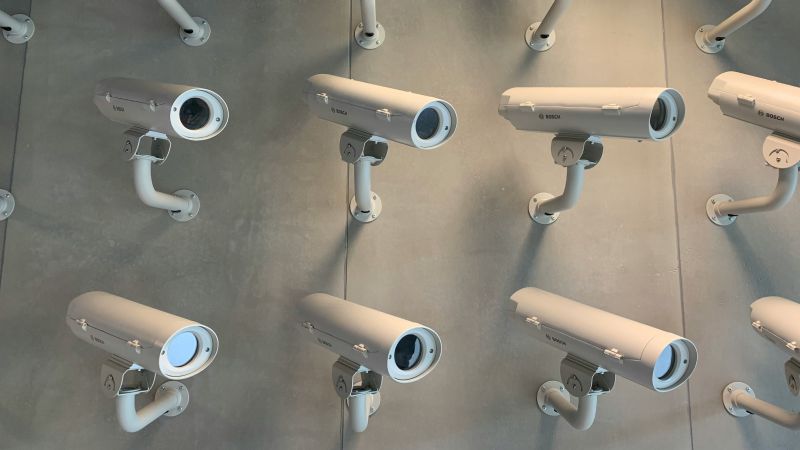
IP cameras, especially modern ones with full HD or 4K resolution, offer clear advantages for video analysis. Their high native resolution, in fact, exponentially improves object classification accuracy. Furthermore, the native digital source eliminates the need to convert an analog signal, with a resulting possible loss of information within the images.
The main advantages offered by IP cameras also include:
- Edge Analytics: Many IP cameras can run artificial intelligence applications on-board, reducing server load and bandwidth usage.
- ONVIF Standard: Adherence to modern communication standards facilitates integration and automated management, essential to avoid false alarms during PTZ camera movements.
- Flexibility: Advanced bandwidth management and PoE powering, with a single cable also used for data transmission.
The transition to IP cameras, on the other hand, requires a higher initial investment and a robust network infrastructure, adhering to high cybersecurity standards throughout the chain, from the camera to the central server.
Analog cameras: limitations for AI
Using existing analog cameras has the advantage of a zero or very low initial costs for the hardware part, with a budget that is limited only to the licenses of the visual AI applications. However, the cons are obvious:
- Limited Resolution: Often stuck at SD standards, insufficient for capturing fine details.
- Artifacts: The encoders necessary to digitize the signal often introduce aggressive compression and latency, degrading the performance of the AI applied to the digitized images.
Cost-benefit analysis and migration strategy
If it is necessary to install IP cameras outdoors or upgrade a complex video surveillance system, which strategy should be adopted?
- Short term: Maintain analog only for very basic analyses (e.g. approximate people or vehicle counting) or if the budget is null.
- Medium term (Hybrid Approach): This is the most balanced choice. Upgrade to IP cameras or AI cameras only the strategic nodes, keeping analog elsewhere.
- Long term: Complete migration to IP guarantees the best TCO (Total Cost of Ownership) thanks to reduced maintenance and higher quality data, with ease of future integration and enhancement of the infrastructure on both the hardware and software sides.
News

December 29, 2025

December 23, 2025

November 5, 2025
October 6, 2025
September 25, 2025
