
Back to Blog
Cameras and AI: resolution, sensor size and compression rate for capturing details
Visual Intelligence Solutions
December 19, 2025
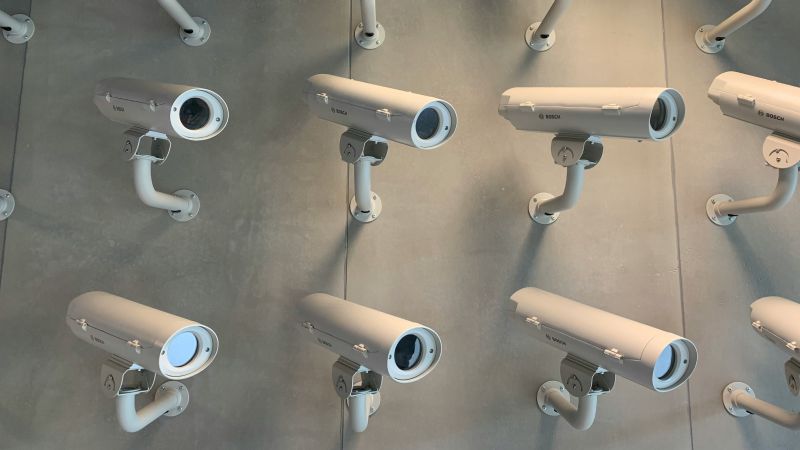
The effectiveness of a modern video surveillance system based on artificial intelligence does not depend solely on the power of the algorithms; it begins much earlier, with the quality of the acquired image. When it comes to monitoring and security, whether for the road sector, the weather-environmental sector, or applied in workplaces, factors such as sensor size, resolution, and compression technologies become crucial for the success of video surveillance cameras.
In this article, we analyze how these hardware characteristics directly influence the performance of the cameras to which artificial intelligence algorithms are applied.
The role of resolution and sensor
The quality of visual data is the first requirement. A video surveillance camera with a large sensor (e.g., 1/2") is capable of gathering more light, ensuring better sensitivity in low-light conditions and a superior dynamic range. This translates into images with less "digital noise" (often visible as dots or color aberrations, especially in the most contrasted parts of the image), a fundamental requirement for automatic analysis.
In parallel, resolution plays a key role. High-resolution surveillance cameras (1080p and above) allow capturing enough detail for critical applications like facial recognition or license plate reading.
High resolution offers two strategic advantages:
- Digital Zoom and ROI: It is possible to crop an ROI or "Region of Interest" (e.g., a lane of a road) while maintaining high quality in the portion of the image analyzed by the AI.
- Quality Downsampling: Even if an AI algorithm works at lower resolutions, starting from a full HD or 4K image allows for sharper details than those available with a low-resolution acquired image.
Dynamic range: seeing beyond the shadows
For all cameras, but especially those used in outdoor environments, light contrast is a daily challenge (e.g., at the exit of tunnels for vehicle-mounted cameras, or direct or grazing sun for fixed ones). This is where dynamic range technology, or WDR (Wide Dynamic Range), comes into play.
Without a dynamic range of at least 100-120 dB, a reflective license plate in the sun might, for example, be illegible, or an object in shadow might not be detected correctly. For outdoor video surveillance cameras, WDR is therefore essential to reduce false negatives and positives.
Video compression: finding the balance
Video compression is necessary to manage bandwidth, but if excessive, it tends to destroy the details needed for applications based on visual AI. Artifacts like the pixel "blocks" resulting from image compression can, in fact, compromise object recognition, license plate reading, or the interpretation of weather events.
The ideal solution is the use of high-resolution cameras with modern codecs like H.265, which offer advanced compression, saving up to 50% bandwidth compared to H.264, while keeping critical details highly visible. It is also advisable to use "AI-friendly" or Smart Codecs profiles that apply less compression to areas of interest and more to background portions.
Choosing the right road or urban surveillance cameras therefore means balancing a sufficiently large sensor, high native resolution, and intelligent compression to feed the AI with clean and reliable data.
News


December 29, 2025

December 23, 2025


November 5, 2025

October 6, 2025
September 25, 2025
