
Back to Blog
Cameras and AI: frame rate and optics for image quality
Visual Intelligence Solutions
December 23, 2025
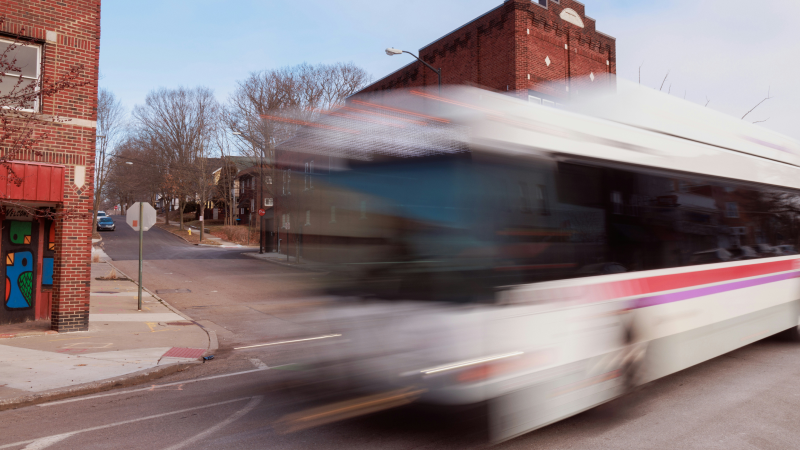
Monitoring road infrastructures through vehicle-mounted cameras or observing weather events and their effects involves relative movements between the camera and the observed environment that often occur at significant speeds. For this reason, two often underestimated parameters become crucial for the reliability of video analysis: the frame rate (frame frequency and exposure time) and the quality of the camera optics. A blurred or distorted image, in fact, can render even the most advanced artificial intelligence algorithm useless.
The importance of frame rate (fps) and exposure time
The frame rate, expressed in frames per second (FPS), determines the fluidity and sharpness of moving objects captured by a camera.
In highway traffic conditions, for example, a frame rate that is too low (e.g., 10 FPS) can cause the "loss" of vehicles or objects with a high relative speed to the camera, due to them leaving the camera's field of view in the time elapsed between the acquisition of one frame and the next.
Furthermore, an exposure time that is too low or inadequate for the scene can generate images characterized by the so-called "motion blur": a car traveling at 130 km/h will appear as a blurred streak, making its identification impossible. Similarly, a road sign will appear blurred and illegible if captured by a moving camera with an inadequate exposure time.
However, it is essential to strike a balance: a high video frame rate requires greater bandwidth and computing power for the units running visual AI applications. To counter this problem, applying algorithms on edge units (the cameras themselves or rugged units with low-power GPUs) allows for canceling the transfer of large amounts of data and working with high frame rates.
The camera lens: the eye of the system
A camera's optics determine what its sensor captures. The focal length, whether long or short, defines the type of lens, and this choice is guided by the scene being monitored:
- Telephoto lenses are ideal for cameras dedicated to license plate detection or flood monitoring, ensuring good magnification of crucial objects for AI applications.
- Wide-angle lenses, on the other hand, are perfect for intersections or toll stations where it is necessary to cover multiple lanes, or for fire monitoring in wooded outdoor areas.
Another critical factor of optical groups is the aperture (f/stop). Wide apertures (e.g., f/1.6) capture more light, improving night performance and reducing visual noise that often causes AI failure. Furthermore, in outdoor environments, the use of high-quality optical glass with anti-reflective coatings is essential to avoid glare from headlights or the sun that could blind the system.
Finally, especially for monitoring with moving cameras, a fast autofocus is essential to maintain image sharpness if the camera needs to change framing quickly.
Investing in quality optics for cameras and configuring video or image acquisition with a correct frame rate means providing the AI system with the necessary raw material to correctly analyze complex scenarios such as road accidents, heavy traffic conditions, fires, or rapidly developing weather events.
News
December 29, 2025
December 23, 2025

November 5, 2025
October 6, 2025
September 25, 2025
